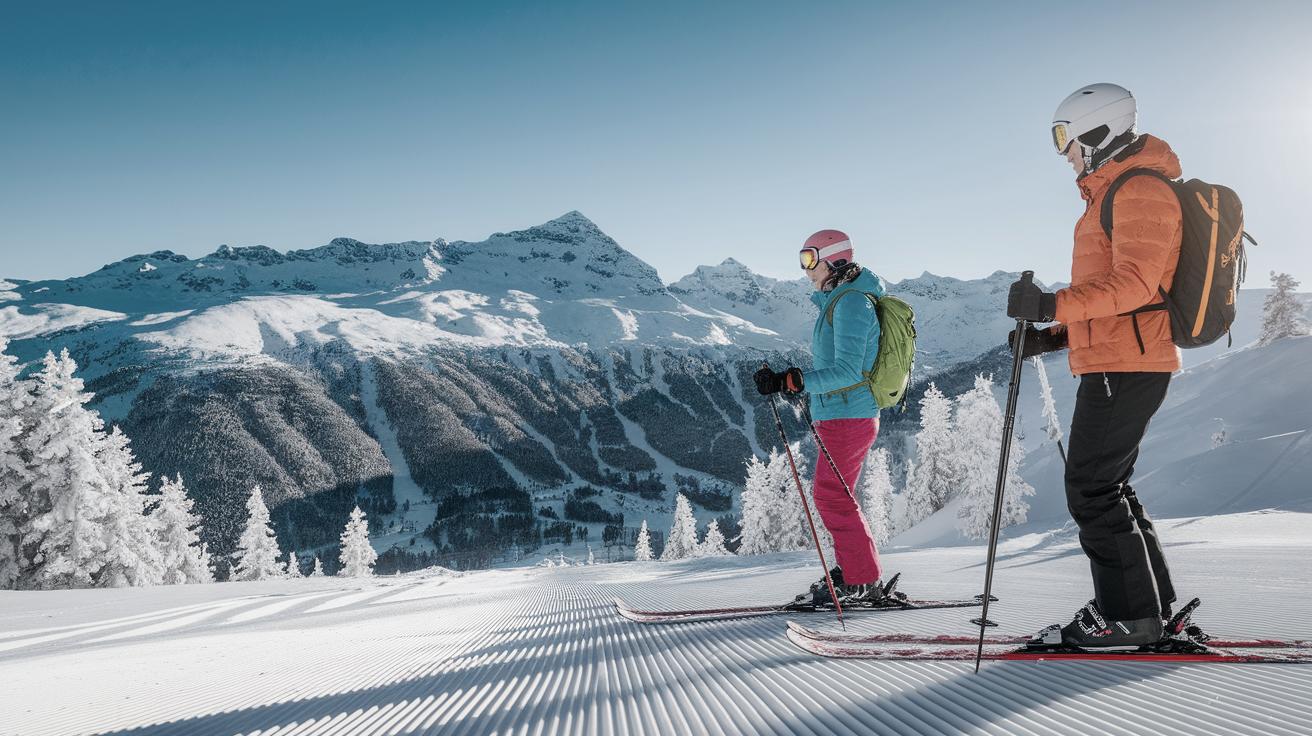
How to Dress for Skiing
Skiing is an exhilarating winter sport that requires not only skill and confidence but also the right gear to ensure safety and comfort on the slopes. Dressing appropriately for skiing is key to enjoying your time outdoors, regardless of whether you’re a novice or an experienced skier. This guide will walk you through essential aspects of ski attire, such as layering techniques, necessary clothing, and accessories, and most importantly, what not to wear. You’ll also learn tips on saving money on ski gear and understand what purchases are worth investing in first. Additionally, we’ve included a handy checklist to streamline packing and preparation for your trip. So, lace up your boots, grab your poles, and dive headfirst into this comprehensive guide to dressing for ski success.
Layering for Your First Time Resort Skiing
Layering is a crucial aspect of dressing for skiing, especially if it’s your first time at a ski resort. This method involves wearing multiple layers of clothing that can be adjusted or removed to optimize comfort based on weather conditions and activity levels. Mastering layering not only ensures warmth but also enhances your skiing experience by providing flexibility and protection against the elements.
Understanding the layering system is essential for your first ski trip, as it directly impacts your performance and comfort. Different resorts may have varying weather conditions, making a versatile setup necessary. Let’s explore how to efficiently layer your ski outfit to keep you warm and dry throughout your skiing adventure.
How to layer for skiing
How to stay warm while skiing
Staying warm while skiing is all about controlling moisture and trapping heat. As you ski, your body generates heat, and wearing moisture-wicking fabrics close to your skin helps keep sweat from accumulating, which can lead to chills. The key is to maintain a balance between warmth and ventilation.
Base Layers
Base layers serve as the foundation of your ski attire. They’re designed to manage moisture and regulate body temperatures, ensuring your comfort while on the slopes. Look for base layers made from merino wool or synthetic fibers like polyester, as these materials are excellent at wicking moisture away and drying quickly.
When choosing a base layer, consider its thickness based on the expected weather conditions. Thin base layers are ideal for milder temperatures, while thicker ones provide additional warmth in frigid climates. Comfort and fit are also important; ensuring the layer is snug but not restrictive will help maximize its effectiveness.
Mid layers
Your mid layer provides insulation and acts as the primary source of warmth. Options like fleece jackets or down sweaters offer varying levels of insulation and should be selected based on temperature and personal preference. Fleece provides breathability, while down offers exceptional warmth.
The mid layer should fit comfortably over the base without inhibiting movement. It’s advisable to try on different materials and thicknesses to find a suitable mid layer that complements your base.
Shell Outer Layers
The outer shell is your primary defense against harsh weather conditions such as wind, snow, and rain. Opt for a shell that is windproof, waterproof, and breathable, ensuring it doesn’t retain moisture internally. Gore-Tex and other membrane technologies are popular for their ability to provide maximum protection.
Shells come in insulated and non-insulated versions. Choose what works best for your climate; non-insulated shells paired with appropriate underlayers can offer greater versatility across different weather scenarios.
Accessories
Accessories are the final touch to your ski outfit, contributing both to warmth and safety. Consider items such as neck gaiters, beanies, and ski masks to protect exposed skin. Also, having the right sunglasses or goggles is crucial for eye protection against the sun’s glare on the snow.
Prioritize comfort when selecting accessories and make sure they fit well with your helmet and other gear, offering full coverage and ease of movement.
Clothes and accessories you need for skiing
Base layer top
Your base layer top is the first line of defense against cold, providing a snug fit that helps regulate body temperature and wick away moisture. Choose one made of high-performance materials to ensure both comfort and efficiency.
Long underwear for skiing
Long underwear, or thermal bottoms, are essential for lower body warmth. They should provide a snug fit and be made from materials designed to trap heat and wick away moisture, such as merino wool or synthetic blends.
Ski midlayer
The ski midlayer should offer extra insulation without adding bulk. Popular choices include fleece or lightweight puff jackets, which provide warmth while being breathable and flexible for active movements.
Ski jackets
Ski jackets must be both functional and stylish, providing essential weather protection. Look for features like snow skirts, sealed seams, and ample pocket space to safely store items like lift passes and snacks.
Opt for jackets with adjustable hoods and cuffs to ensure a snug, customizable fit that guards against winds and icy conditions.
Ski pants
Ski pants are designed to offer waterproof protection and thermal insulation for your legs. They often feature reinforced seams and articulated knees to allow for maximum movement and durability.
Ski socks
Proper ski socks are crucial in maintaining warmth and preventing blisters. Look for socks specifically designed for skiing, usually made from synthetic or natural fibers that offer moisture control and cushioning.
Ski face mask
A ski face mask can protect you from harsh winds and cold air. Many masks are made from breathable materials that cover the nose and mouth, helping retain warmth while providing a perfect fit beneath a helmet.
Ski gloves
Ski gloves are essential for hand warmth and mobility. Look for waterproof, insulated gloves that allow for touch sensitivity if you plan on using your device on the slopes.
Ski goggles
Ski goggles protect your eyes from the sun’s rays and prevent snow blindness. Ensure they offer UV protection and have anti-fog capabilities to handle diverse weather conditions.
Ski helmet
Safety first: A ski helmet is a non-negotiable piece of gear. Choose a helmet with good ventilation, adjustable fit, and certified safety standards to protect your head without compromising comfort.
What you Should not wear while skiing
Cotton
Avoid cotton at all costs when skiing. Cotton retains moisture from sweat and snow, making you feel cold and uncomfortable. Stick to high-performance fabrics like wool or synthetics that wick moisture away from the body.
Non-Waterproof Outer Layers
Never wear non-waterproof outer layers while skiing. Wet clothes rapidly decrease body temperature and can become icy and heavy. Ensure your outer layers have waterproofing technology to keep you dry and warm.
The most important features of ski clothing
Stay Warm and Dry
The primary purpose of ski clothing is to keep you warm and dry. This begins with proper layering and extends to choosing the right materials that offer thermal regulation and moisture-wicking properties.
Wind and Waterproofness
Windproof and waterproof materials are basic essentials for outer layers. These features protect against harsh winter elements, ensuring your focus remains on skiing without discomfort or adverse exposure.
Keep Snow Out
Snow gaiters, adjustable cuffs, and high collars contribute to keeping snow out of your gear. These elements prevent snow from entering at vulnerable points such as wrists and around jackets, enhancing both warmth and dryness.
Ways to save money on ski gear: Use what you have and rent when possible
Ski gear can be expensive, but there are ways to minimize costs without compromising performance and comfort. Begin by using what you already own, such as warm underlayers and waterproof jackets, supplementing them with rental gear.
Renting bigger-ticket items such as skis, boots, and helmets can also drastically cut costs, particularly if you’re a beginner or only ski occasionally. Many resorts offer a range of equipment available for rent, allowing you to test different brands and styles before purchasing.
What ski gear should I buy first?
When it’s worth it to spend money on new gear
Investing in high-quality ski boots should be a priority since fit and comfort in this area make a significant difference. Proper boots enhance your control on the slopes, so select those offering the best fit and features within your budget.
Your helmet is another critical piece of equipment worth purchasing new, giving you peace of mind regarding safety standards and ensuring proper fit and hygiene.
What to wear skiing checklist
Use this checklist to ensure you’re well-prepared for a day on the slopes:
- Base layers (top and bottom): breathable and moisture-wicking.
- Mid layers: fleece or lightweight down jackets.
- Waterproof shell jacket and pants.
- Insulated gloves or mittens.
- Helmet and goggles.
- Neck gaiter or face mask.
- Wool or synthetic ski socks.
Subscribe
Stay updated with the latest skiing tips and gear reviews by subscribing to our newsletter. Never miss an article or update by joining our community of ski enthusiasts.
About the author / Why you should trust us
Our team consists of passionate skiers and outdoor enthusiasts with years of experience on the slopes. We deliver valuable insights and recommendations based on thorough research and personal trials to enhance your skiing experiences.
Lessons Learned
| Key Points | Details |
|---|---|
| Layering | Essential for warmth, comfort, and flexibility on the slopes. |
| Essential Gear | Includes base layers, mid layers, and waterproof outer layers, along with key accessories. |
| Material Choices | Avoid cotton; instead, choose moisture-wicking and waterproof materials. |
| Cost-Saving Measures | Maximize existing wardrobe pieces, rent equipment, and invest wisely in new gear. |
| Safety Considerations | Helmet and well-fitted boots prioritize safety and comfort. |